Osteoporosis doesn’t just weaken your hips and spine—it can mess with your jawbone, too, making gum disease a bigger problem than you might expect. If you’ve got osteoporosis, keeping an eye on your gums helps protect your teeth, keeps dental work fitting right, and lowers the risk of complications from bone loss or some osteoporosis meds.
Let’s talk about how bone loss hits the jaw, why gum infections get nastier when your bones are thin, and what you can actually do to keep your mouth in good shape. Working with a practice like Spring Hill Smiles matters here too—they can monitor your jawbone and gums and coordinate care around any osteoporosis medications you’re taking. You’ll find out about the risks, and some straightforward strategies for keeping your mouth healthy while you manage osteoporosis.
How Osteoporosis Affects Oral Health
Osteoporosis lowers bone mass and changes bone quality, so your jaw gets weaker and gum disease becomes harder to control. That means you’re more likely to deal with loose teeth, failed implants, or slow healing after dental work.
Bone Density Loss in the Jaw
When you lose jawbone density, the alveolar bone that holds your teeth shrinks and loses minerals. You might notice deeper gum pockets, wobbly teeth, or teeth that look longer as the bone pulls away.
Dentists track these changes on X-rays. If your jawbone gets too thin, dental implants might not work because they can’t anchor well.
Lower bone density also messes with blood flow and slows down healing after extractions or gum surgery. Infections stick around longer and might need more aggressive treatment.
Dentists use regular X-rays and gum measurements to catch jawbone loss early.
Connection Between Systemic and Oral Bone Health
Bone loss throughout your body often matches what’s happening in your jaw. If you have osteopenia or osteoporosis in your hip or spine, your dentist might spot similar thinning in your jaw on X-rays.
Sometimes dentists notice odd bone patterns and suggest you get a medical bone scan. It’s not just about your mouth—gum inflammation cranks up local bone breakdown and can even push your whole skeleton toward more bone loss.
Managing gum infection matters for your bones. You’ll want your dentist and doctor on the same page about meds, scans, and treatment.
Role of Estrogen and Age in Gum Health
Estrogen keeps bone remodeling in check and helps preserve gum tissue. After menopause, dropping estrogen levels speed up bone loss, making your jaw and the tissues around your teeth more vulnerable.
You might notice your teeth move more or you get gum disease more easily during and after menopause. Age doesn’t help either—it slows healing, dries out your mouth, and piles on extra health issues or meds that hurt oral health.
If you’re postmenopausal or on long-term steroids, let your dentist know. They might recommend more frequent cleanings or tweak their treatment plans to work with your bone situation.
Risks of Gum Disease for Osteoporotic Individuals
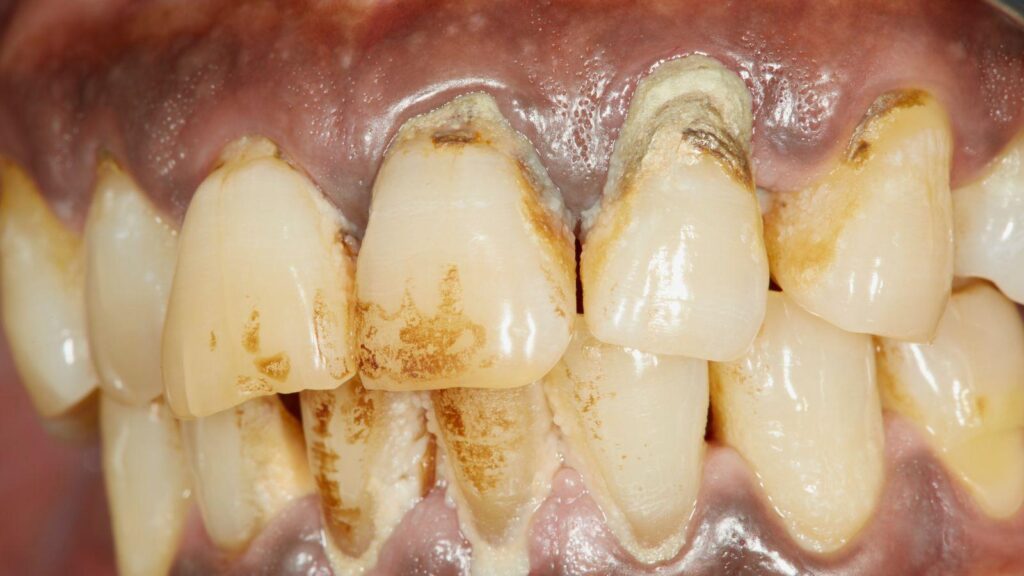
Gum disease can speed up jawbone loss, increase your chances of losing teeth, and add to the inflammation that damages bones elsewhere. Watch for gum changes, bleeding, or loose teeth—these can signal trouble, especially when your bones are already thin.
Increased Susceptibility to Periodontitis
If you have osteoporosis, your jawbone’s probably less dense, so your teeth lose support. When your bones are thin, gum infections like periodontitis can chew through bone faster once inflammation sets in.
Hormonal changes and osteoporosis meds, especially for postmenopausal women, can mess with bone and immune responses in your mouth. That makes it easier for gum disease to take hold.
Keep an eye out for bleeding after brushing, deeper gum pockets, or X-rays showing bone loss. Early dental visits and good bone health routines help slow things down and protect what you’ve got left.
Link Between Gum Inflammation and Systemic Health
Chronic gum inflammation dumps cytokines and bone-resorbing signals into your blood. Stuff like interleukins and RANKL can mess with bone metabolism all over your body, not just in your mouth.
Periodontal infections also raise inflammation markers that show up with higher fracture risk or slower recovery after a break. If you smoke, eat poorly, or have other inflammatory conditions, gum inflammation can push your bone health in the wrong direction.
Getting gum inflammation under control—with regular cleanings, targeted treatments, and better brushing—helps lower overall inflammation and supports your bones.
Potential for Tooth Loss Due to Gum Deterioration
When gum disease gets going and your bones are thin, you can lose jawbone faster than your body can rebuild it. Teeth get wobbly, shift around, or even fall out—even if the local gum disease doesn’t look that bad.
Losing teeth makes it harder to chew, which can cut down your calcium and vitamin D intake. That’s a problem for bone health, too.
Missing teeth also make it tougher to get implants or dentures, since your jawbone might be too thin to support them. Getting timely gum treatment and keeping your dentist and doctor in the loop boosts your odds of keeping your teeth and eating well.
Prevention and Maintenance Strategies
You’ll want regular dental checkups, daily plaque control, and lifestyle habits that help both your jaw and the rest of your bones.
Routine Dental Checkups and Early Detection
See your dentist every six months, or more often if they suggest it.
Make sure your dental team knows about your osteoporosis and any meds you’re taking, like bisphosphonates or denosumab—they’ll need to know for treatment planning and spotting slow healing.
Ask for gum measurements and bitewing X-rays each year to keep tabs on bone levels.
Have your dentist check for gum inflammation, deep pockets, and loose teeth—catching problems early makes a huge difference.
If you need an extraction or implant, get a consult that covers your meds and risk.
Sometimes your dentist will chat with your doctor to plan the best timing or consider alternatives.
Effective Oral Hygiene Practices
Brush twice a day with a soft-bristled brush and fluoride toothpaste.
Take your time—about two minutes each session—and focus on every tooth and along the gums.
Floss or use interdental brushes once daily to clean between teeth where bone loss often starts.
If your dentist suggests it, try an antimicrobial mouthrinse (like chlorhexidine) for active gum pockets.
Get professional cleanings every 3–6 months, depending on how your gums look.
If you’ve got gum disease, stick to the schedule for deep cleanings and follow your dentist’s aftercare advice.
Lifestyle Choices to Support Bone and Gum Health
Get enough calcium—aim for about 1,000 to 1,200 mg daily, though it varies with age.
Vitamin D matters, too. Most adults need 800 to 2,000 IU daily, but your doctor might suggest something different.
Ask your doctor to check your bone density and vitamin D levels.
That way, you can adjust your diet or supplements to fit what your body really needs.
Quit smoking if you can, and try to keep alcohol in check.
Both habits make you more likely to get gum disease and slow down bone healing.
Eat a balanced diet with plenty of protein and leafy greens.
Foods rich in vitamin C help your gums build collagen—so don’t skip those oranges and peppers.
Stay active with weight-bearing exercises.
These activities help keep your bones strong, and yes, that includes your jawbone.
Talk to your dentist and share their findings with your main doctor or rheumatologist.
This teamwork helps make sure your medications and timing support both your mouth and your bones.