
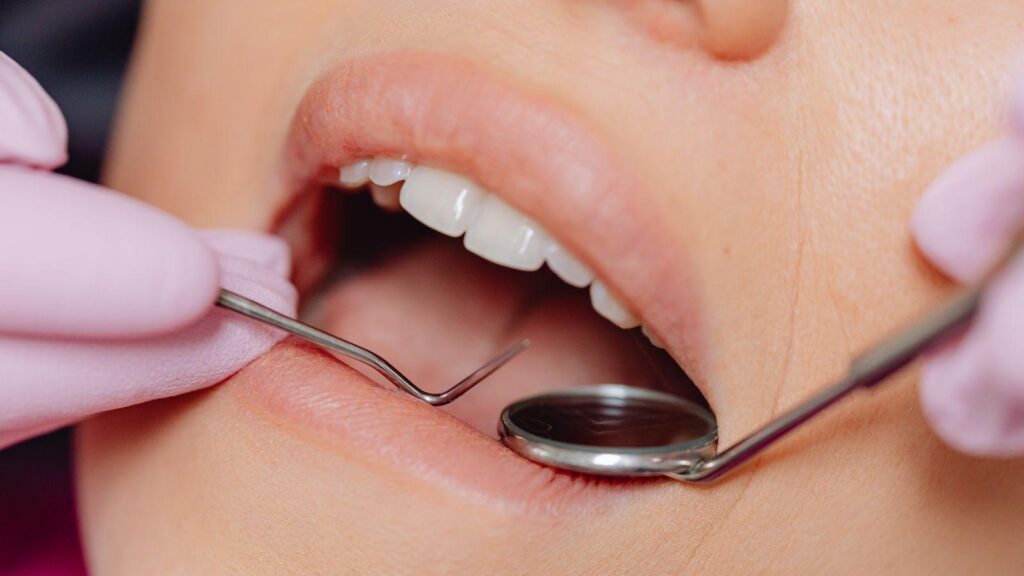
If you have diabetes or keep an eye on your blood sugar, your gums might actually play a bigger role than you’d expect. Poor gum health ramps up inflammation and infection, which can make glucose harder to manage. High blood sugar, in turn, tends to make gum problems even worse.
This article digs into how gum disease and blood sugar influence each other. You’ll find out what warning signs to watch for and get some practical steps—daily habits and professional care—to help protect both your mouth and your metabolic health. On the professional-care side, a practice like Countryman Dentistry can treat gum disease and help keep that inflammation from making your blood sugar harder to control.
The Relationship Between Gum Health and Blood Sugar
Poor gum health and high blood sugar often feed off each other. Gum inflammation can raise overall inflammation and make your body more resistant to insulin. Elevated glucose messes with your immune response and slows healing in your mouth.
How Oral Inflammation Influences Glucose Levels
When your gums get inflamed, they send out inflammatory molecules like IL-6 and TNF-α into your bloodstream.
Those cytokines mess with insulin signaling in muscle and liver cells, bumping up fasting glucose and making those daily spikes harder to control.
Inflamed gums also crank up oxidative stress throughout your system.
That extra stress blunts how well insulin works and can make diabetes meds less effective.
A few practical points:
- Treating gum inflammation usually lowers those inflammatory markers in your blood.
- Reducing oral inflammation can make your blood glucose responses to meals and meds more predictable.
Mechanisms Linking Periodontal Disease and Diabetes
Two main things link gum disease and diabetes: systemic inflammation and a weaker immune system in your mouth.
Both happen at the same time and just keep making each other worse.
Chronic gum infection keeps cytokines high, which worsens insulin resistance.
High blood sugar slows down neutrophils and wound healing in your gums, so bacteria stick around and deepen those pockets.
Other players?
AGEs (advanced glycation end products) stiffen tissues and turn up the inflammation.
Oral bacteria release stuff (like lipopolysaccharides) that set off your immune system.
Smoking and poor nutrition make both gum breakdown and blood sugar swings even harder to manage.
Scientific Evidence Supporting the Connection
Researchers keep finding strong links between how bad your gum disease is and how tough your blood sugar is to control.
Meta-analyses say that non-surgical gum treatments can lower HbA1c by about 0.3–0.6 percentage points in people with type 2 diabetes.
Randomized controlled trials show:
- Gum treatment lowers both local and systemic inflammatory markers (like CRP and IL-6).
- Some studies report modest but meaningful drops in HbA1c after treating gum disease.
But, let’s be honest, not all studies use the same methods.
Follow-up times vary, so it’s tough to say how these changes hold up long-term.
Warning Signs and Symptoms to Look Out For
Pay attention to changes in your mouth and blood sugar patterns. Catching problems early gives you a better shot at stopping them before they get worse.
The signs below can point to gum disease, blood sugar trouble, or both.
Indicators of Gum Problems
Notice if your gums bleed when you brush or floss.
Bleeding is a super common early sign of gingivitis.
Redness, swelling, or tenderness around your teeth?
Healthy gums should be pale pink and firm, not puffy or sore.
Watch for gums pulling back or teeth looking longer.
Receding gums can mean more sensitivity and a higher risk of cavities.
Persistent bad breath or a weird taste in your mouth can mean bacteria are sticking around.
That’s often a sign of infection.
Loose teeth or changes in your bite?
That could be a sign of advancing gum disease and bone loss.
Early Clues of Blood Sugar Fluctuations
Unusual thirst, peeing more than usual, or feeling wiped out?
Those are classic signs your blood glucose might be running high.
Slow healing of cuts or mouth sores is another red flag.
High blood sugar makes it harder for your body to repair tissues, including in your mouth.
Getting infections more often, including yeast infections in your mouth, can also be a clue.
Extra glucose in your saliva feeds those microbes.
If your fasting or post-meal glucose numbers go up for no clear reason, especially with gum inflammation, that’s worth noting.
The two can make each other worse.
If you notice both gum symptoms and higher glucose readings at the same time, pay attention.
These issues often spiral together.
When to Consult a Healthcare Professional
Call your dentist if you have bleeding that won’t stop, deep gum pockets, or loose teeth.
Dentists can check for gum disease and recommend treatments like scaling or root planing.
Let your primary care doctor or endocrinologist know if your glucose readings stay high, you’re always thirsty, or wounds heal slowly.
They might need to tweak your meds or check for other issues.
If you have both out-of-control blood sugar and gum disease, get your dentist and diabetes provider to work together.
That kind of teamwork usually gets better results.
If you suddenly get severe mouth pain, swelling that makes it hard to breathe or swallow, or vision changes with high glucose, get help fast.
These could be emergencies.
Effective Strategies for Gum and Blood Sugar Management
Oral care, teamwork between your medical and dental providers, and lifestyle tweaks all matter here.
There are real steps you can take—simple habits, regular dental visits, and changes in what you eat and do—to lower inflammation and steady your blood sugar.
Routine Oral Hygiene Practices
Brush twice a day with a soft-bristled brush and fluoride toothpaste.
Aim for two minutes and use gentle strokes at a 45° angle to your gumline.
Floss once a day—slide it gently under the gumline and curve it around each tooth.
If flossing’s a pain, try interdental brushes or a water flosser that fits your spaces.
Rinse with an alcohol-free antiseptic mouthwash if your dentist says so.
That helps lower bacteria and inflammation.
Swap out your toothbrush every three months or after you’ve been sick.
If you notice bleeding, bad breath that won’t quit, or gums pulling back, let your dentist know.
Collaboration Between Dental and Medical Care
Tell your dentist about your diabetes, your latest A1C, and any meds you’re on before your appointment.
Give them your primary care provider’s info so they can share what matters.
Ask your providers to coordinate care—like timing dental work around your glucose control, adjusting antibiotics if needed, and setting realistic oral health goals that fit your metabolic targets.
Request that your dentist documents your gum health and treatments so your medical team can factor in oral inflammation when they look at your blood sugar.
Book dental checkups every three to six months if you have diabetes or gum issues.
If your mouth’s in good shape, you might not need to go as often.
Push for periodontal charting and, when necessary, a referral to a periodontist for deep cleaning.
Lifestyle Changes Supporting Oral and Metabolic Health
Try to stick with a low-glycemic, nutrient-packed diet. Load up on fiber, lean protein, and those good unsaturated fats—they help keep blood sugar steady and cool down inflammation.
Cut back on sugary snacks and skip acidic drinks. Those just feed gum-hating bacteria and wear down your enamel faster than you’d think.
Quit smoking if you can, and steer clear of e-cigarettes. Tobacco really speeds up gum breakdown and makes healing a lot tougher.
If you’re trying to quit, consider behavioral support, nicotine patches, or even medication. It’s not easy, but the benefits add up.
Shoot for at least 150 minutes of moderate aerobic exercise each week. Toss in some strength training a couple of times too.
Staying active sharpens insulin sensitivity and helps your gums heal. Stress management matters more than most folks realize—try short daily meditation or even professional therapy.
Chronic stress pushes cortisol up, and that can mess with both blood sugar and gum health.