
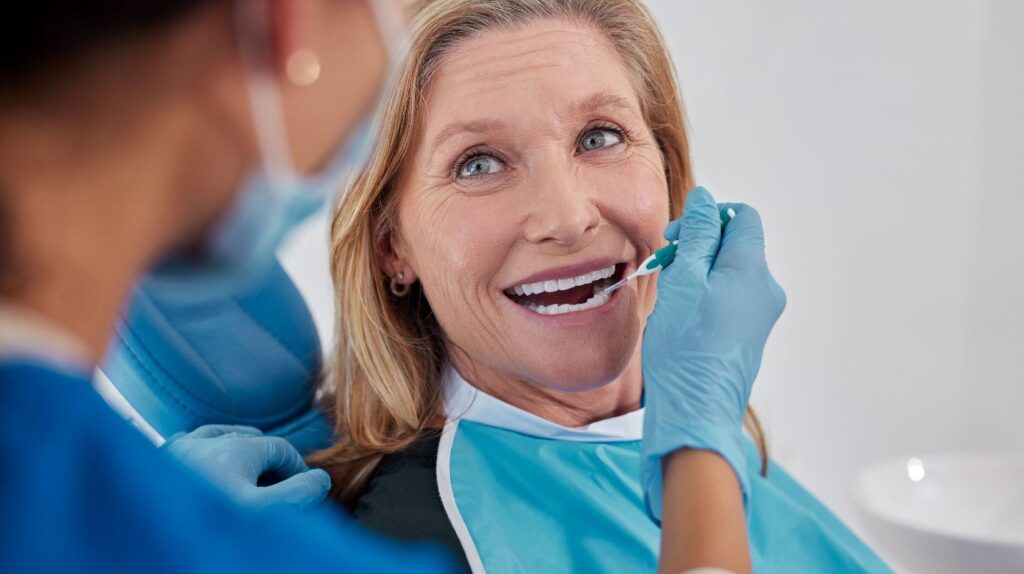
You probably know Alzheimer’s affects the brain, but did you realize your mouth plays a role too? Poor oral health and gum disease often show up alongside cognitive decline, and it seems they influence each other through inflammation, infection, nutrition, and even care barriers.
Keeping your mouth healthy could help lower risks that contribute to cognitive decline. It also makes daily care easier if memory slips. Staying on top of regular care with a practice like Icon Implants and Dental Center is one way to keep gum disease and infection from adding to the load.
This article breaks down how oral changes tend to show up as Alzheimer’s progresses. I’ll walk you through how oral disease might speed up cognitive problems and share some practical steps you can actually use to protect both your mouth and your brain.
Let’s look at what happens, what you can do, and where the science stands right now.
Oral Health Changes in Alzheimer’s Patients
You’ll probably notice people with Alzheimer’s struggle more with daily oral care. Rates of gum disease and tooth loss climb, and eating or swallowing problems can mess with nutrition and medication.
These changes sneak up gradually, but they pile on each other if you’re not careful.
Common Oral Hygiene Challenges
Brushing and flossing get harder as memory and motor skills fade. Missed brushing, wrong toothpaste, and skipping flossing let plaque build up in just a few weeks.
Behavioral and sensory issues don’t help. Some folks resist care, fear the toothbrush, or just can’t tolerate anyone touching their mouth, which makes things tough for caregivers.
Medications matter too. Many Alzheimer’s drugs cause dry mouth, which robs saliva of its protective magic and speeds up tooth decay.
It helps to keep oral care simple and short. Fluoride toothpaste is a must, and saliva substitutes can come in handy when dryness gets bad.
Prevalence of Dental Diseases
People with Alzheimer’s tend to get more gum disease, cavities, and lose more teeth than folks without memory problems. Studies keep finding higher odds of moderate-to-severe periodontitis and more untreated cavities in this group.
Chronic gum disease stirs up inflammation, especially when home care slips and dental visits drop off. Untreated disease leads to tooth loss, making chewing harder.
Try to keep up with regular dental checkups. Caregivers should plan for rides and make sure dental teams know what’s going on.
Impact on Nutrition and Daily Function
Tooth loss and mouth pain make it tough to eat a healthy, varied diet. People often end up eating soft, processed foods that are higher in sugar and fat, which just make oral problems worse and cut down on good nutrients.
Oral pain and swallowing issues (dysphagia) can raise the risk of choking and cause weight loss or dehydration. Dentures that don’t fit, or aren’t worn, make eating and speaking harder.
Fixing oral problems can actually make meals more enjoyable and help people stick to their meds. It’s smart to loop in dietitians, speech therapists, and dentists to adjust food textures, check denture fit, and treat pain or infections right away.
Influence of Oral Health on Cognitive Decline
Poor oral health stirs up inflammation, messes with nutrition, and lets bacteria sneak into the brain. Clinical studies keep finding links between gum disease, bad oral microbes, and tooth loss with higher odds of cognitive decline and dementia.
Association Between Gum Disease and Memory Loss
Moderate-to-severe periodontitis seems to go hand in hand with higher rates of cognitive impairment in several big studies. Gum disease kicks off chronic inflammation—think C-reactive protein and interleukin-6—which can cross into the brain and hurt neurons.
Of course, other stuff matters: age, education, heart health, smoking, even income can affect both gum disease and memory. So, it’s tricky to say gum disease causes dementia, but studies that adjust for these factors still find faster decline in people with worse gum health.
If you want to cut risk, improving gum care could lower inflammation. Regular dental visits, professional cleanings, and daily brushing and flossing are all in your control.
Role of Oral Bacteria in Brain Health
Some oral bacteria—like Porphyromonas gingivalis—have actually turned up in brain tissue and spinal fluid in a few studies. These bugs make nasty stuff (like gingipains) that can trigger neuroinflammation and mess with brain cells.
Researchers think bacteria get to the brain through the bloodstream, immune reactions, or even molecular mimicry that keeps inflammation simmering. Animal studies show that chronic oral infection can make amyloid and tau buildup worse, but translating those findings to humans isn’t straightforward.
We can’t test for these bugs easily yet. For now, it’s smart to control oral infections to limit possible exposure to microbes and inflammation that could reach the brain.
Recent Studies Linking Tooth Loss to Dementia Risk
Tooth loss often points to a lifetime of oral disease and less chewing power—both matter for brain health. Several cohort studies link more missing teeth with higher risk of cognitive decline and dementia, though the size of the effect varies.
Two main reasons might explain this: trouble chewing means less protein, vitamins, and omega-3s get into your diet, and less chewing action means less sensory input for the brain, especially the hippocampus. Dentures or implants can help by restoring chewing, but the evidence is a bit mixed.
If you’re reading studies, check how long they tracked people, what their starting brain health was, and whether they adjusted for things like heart health and lifestyle. The best studies with longer follow-up tend to show stronger links.
Preventive Approaches and Clinical Recommendations
You can focus on simple, daily steps to fight oral inflammation, catch problems early, and keep chewing and swallowing working as long as possible. Daily cleaning, regular dental care, and clear routines for caregivers really matter here.
Best Practices for Oral Care in Alzheimer’s
Brush twice a day with a soft-bristle brush and fluoride toothpaste. Take two minutes each time, using small, gentle strokes.
Swap out brushes every three months, or sooner if the bristles get bent.
Floss daily or use interdental brushes for tight spots. If hands are shaky, try floss holders or a water flosser. Rinse with an alcohol-free antimicrobial mouthwash if it’s tolerated to cut down plaque and gum inflammation.
Watch for bleeding gums, bad breath that won’t quit, loose teeth, or changes in chewing. Bring those up with your dentist and ask for a gum check or treatment if needed.
As memory or motor skills fade, switch up tools and techniques. Electric toothbrushes with timers, chunkier handles, and step-by-step instructions can really help.
Caregiver Strategies for Dental Hygiene
Set a fixed daily schedule for mouth care, tying it to routines like after breakfast or before bed. Predictability helps.
Use short, calm prompts and show each step. Sometimes hand-over-hand guidance works best.
Do a quick mouth check every day—look for redness, swelling, dryness, sores, or food stuck anywhere. Jot down what you see and any refusals, then bring that log to appointments.
If someone resists care, try easing in: start with mouth swabs, then a quick brush for just 10–15 seconds, building up over time. Use praise, skip force, and if aggression keeps popping up, talk to the dental team about sedation or a referral.
Professional Guidelines for Dental Providers
Screen adults with cognitive impairment for oral disease at least twice a year. Track periodontal status, missing teeth, denture fit, and any swallowing or chewing problems.
Use charting and photographs to keep tabs on changes and see how treatments work over time.
Work with primary care, neurology, and caregivers to manage the effects of multiple medications—think dry mouth or bleeding risks. Plan safe procedures with the whole team in mind.
Change up appointments when needed. Shorter visits, scheduling in the morning, and having familiar staff around can really help reduce anxiety.
Focus on less invasive, preventive care whenever possible. Scaling and root planing can help with periodontitis, and topical fluoride works for caries prevention.
Adjust dentures to help patients keep eating well. If you need to do something more invasive, always check decision-making capacity, get consent, and weigh the risks and benefits of sedation.