

When a tooth is damaged or infected, you may face a choice between tooth extraction and a root canal. Tooth removal is necessary only when the tooth is too damaged to be saved by treatments like a root canal. Understanding when each option is the best solution can help you protect your oral health and avoid future problems.
A root canal works by removing the infected or inflamed tissue inside your tooth, allowing you to keep your natural tooth and maintain your bite. Extraction, on the other hand, removes the entire tooth, which may be needed if the damage is severe or the infection has spread too far.
Knowing the benefits and limits of both treatments helps you make a smart decision for your smile. Your dentist will guide you based on how much damage there is and the long-term health of your mouth.
Understanding Tooth Extraction and Root Canal Procedures
You have two main options when dealing with a severely damaged or infected tooth: removing the tooth completely or treating the inside of the tooth to save it. Both choices involve specific dental procedures that affect your dental health and recovery time differently. In many cases, choosing a root canal in Wilmington NC allows the natural tooth structure to be preserved while eliminating infection and relieving pain.
A root canal focuses on removing infected pulp from inside the tooth, cleaning and sealing the area to prevent further issues. This approach can help maintain normal chewing function and avoid the need for more complex tooth replacement options, depending on the severity of the damage.
What Is Tooth Extraction?
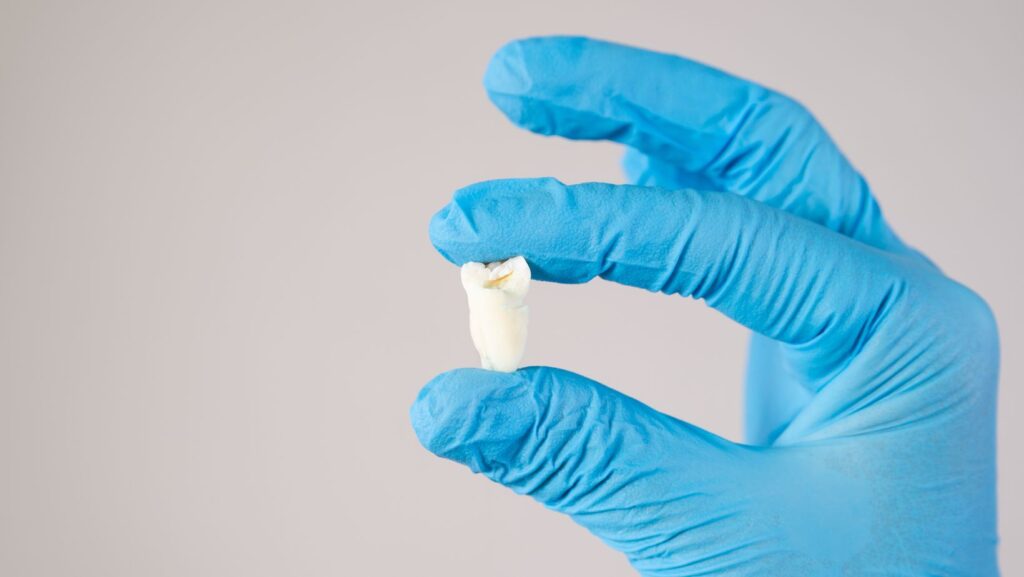
Tooth extraction means removing a tooth from its socket in the bone. This procedure is usually recommended when a tooth is badly damaged, decayed, or infected beyond repair.
Extraction can be simple or surgical. A simple extraction involves loosening the tooth with dental tools and pulling it out. Surgical extraction may require making an incision in the gums to remove a tooth that’s broken or stuck under the gum line.
After extraction, you might experience soreness and need time to heal, usually about one to two weeks. You may also need to follow a soft food diet until your mouth heals. Replacement options like implants or dentures can restore your tooth’s function after healing.
What Is a Root Canal?
A root canal is a dental treatment that saves a tooth by removing the infected or damaged pulp inside it. The pulp contains nerves and blood vessels and can become inflamed or infected from decay or injury.
During a root canal, the dentist removes the infected pulp, cleans the inside of the tooth, and seals it to prevent further infection. This lets you keep your natural tooth, which helps maintain your bite and smile.
Recovery is usually quick, with most people returning to normal activity within a day or two. Root canals often prevent the need for tooth removal and keep your teeth stronger.
Key Differences Between Extraction and Root Canal
| Feature | Tooth Extraction | Root Canal |
| Purpose | Remove damaged or infected tooth | Save tooth by cleaning infection |
| Procedure | Remove entire tooth | Remove pulp, clean, and fill tooth |
| Recovery Time | 1-2 weeks | 1-2 days |
| Effect on Bite | May require replacement | Preserves natural tooth |
| Risks | Bone loss, need for replacement | Possible repeat infection |
Choosing between these depends on how damaged your tooth is and your long-term dental health goals. Extraction removes the problem but may need follow-up care to replace the tooth. Root canals maintain your natural tooth but require healthy enough structure to save.
Indications for Tooth Extraction
Tooth extraction becomes necessary when a tooth is severely damaged or affected beyond repair. Understanding the specific reasons for removal, types of dental problems causing it, and the risks involved will help you make informed decisions about your oral health.
When Is Tooth Removal Necessary?
You might need a tooth extracted if it is badly decayed, cracked, or infected in a way that treatment like a root canal cannot fix. Extraction is also necessary if a tooth is causing crowding or blocking other teeth from coming in properly.
In some cases, wisdom teeth that grow at odd angles or only partially emerge need removal to prevent pain or infection. If a tooth is loose due to gum disease or trauma, extraction may be the best option.
Types of Dental Issues Requiring Extraction
Several specific conditions often lead to tooth removal, including:
- Severe Decay: When cavities destroy most of the tooth structure.
- Tooth Infection: When infection reaches the pulp and can’t be saved.
- Impacted Teeth: Common with wisdom teeth that don’t erupt fully.
- Overcrowding: Removing teeth may be part of orthodontic treatment.
- Physical Trauma: Teeth that are broken beyond repair.
Extraction is usually a last resort after other treatments are ruled out.
Risks and Considerations of Tooth Extraction
Extraction carries some risks you should consider. These include pain, swelling, bleeding, and possible infection after the procedure. You may also experience dry socket, a painful condition if the blood clot is dislodged.
Long-term, removing a tooth affects your bite and may require replacement with an implant or bridge to avoid shifting teeth and bone loss. Recovery time and costs vary based on complexity, so discussing these details with your dentist is important for planning.
When Root Canal Treatment Is the Better Choice
Choosing a root canal treatment allows you to keep your natural tooth while removing infection and preventing further damage. This option is often preferred when the tooth can still be saved and when preserving your bite and smile matters most.
Preserving Natural Teeth
A root canal removes the infected tissue inside your tooth while keeping the outer structure intact. This helps you avoid losing your natural tooth, which is important for chewing and speaking properly. Keeping your tooth also prevents nearby teeth from shifting out of place.
After the procedure, your tooth is cleaned, sealed, and usually covered with a crown to protect it. This protection helps maintain your natural bite and prevent jaw problems. By saving your original tooth, you maintain your natural look and avoid the need for replacements like implants or bridges.
Criteria for Root Canal Candidacy
You may be a good candidate for a root canal if your tooth has deep decay or infection but still has enough structure to support restoration. The tooth should not be broken beyond repair or severely weakened.
If your infection is limited to the pulp and hasn’t spread extensively outside the root, a root canal can fully remove it. Healthy gums and good oral hygiene also increase the likelihood of success. Your dentist will check for cracks, root damage, and bone health before recommending this treatment.
Success Rates and Outcomes of Root Canals
Root canal treatment has a high success rate, often above 85-90%. Most treated teeth can last many years or even a lifetime with proper care.
You may experience some discomfort after the procedure, but this usually fades within a few days. Keeping good oral hygiene and regular dental visits help avoid new infections.
In cases where the root canal fails, retreatment may be possible. This makes root canals a reliable and long-lasting option compared to extraction and replacement.
Comparing Recovery, Costs, and Long-Term Effects
Choosing between a tooth extraction and a root canal means thinking about healing time, money, and how each option affects your mouth later. Each treatment has different recovery steps, costs, and impacts on your overall oral health.
Healing and Downtime After Each Procedure
After a root canal, you might feel some mild discomfort or sensitivity for a few days. Most people return to normal activities quickly, often within 1 to 3 days. The tooth stays in your mouth, which helps maintain chewing ability and smile appearance.
Tooth extraction usually requires a longer healing time. You can expect some swelling, bleeding, and soreness for several days. The gum and bone need weeks to fully heal. You might need to avoid hard foods and follow special care instructions. If you don’t replace the extracted tooth, it can affect how you chew or speak.
Financial Considerations
Root canals often cost more upfront because the procedure is more complex and may require a crown afterward. However, saving your tooth can prevent costs related to future replacements like implants or bridges.
Extraction is typically less expensive initially but may lead to extra costs. If you choose to replace the missing tooth, that adds to your expenses. Insurance coverage varies, so check your plan before deciding.
Oral Health Implications Over Time
Keeping your natural tooth with a root canal helps preserve jawbone strength and prevents other teeth from shifting. This maintains your bite and facial structure.
Removal of a tooth means the surrounding bone may shrink over time. The gap can cause teeth to drift, leading to bite problems and possible jaw pain. If you don’t replace the missing tooth, these changes can impact your oral health further. Choosing to replace an extracted tooth with an implant or bridge helps reduce these risks.