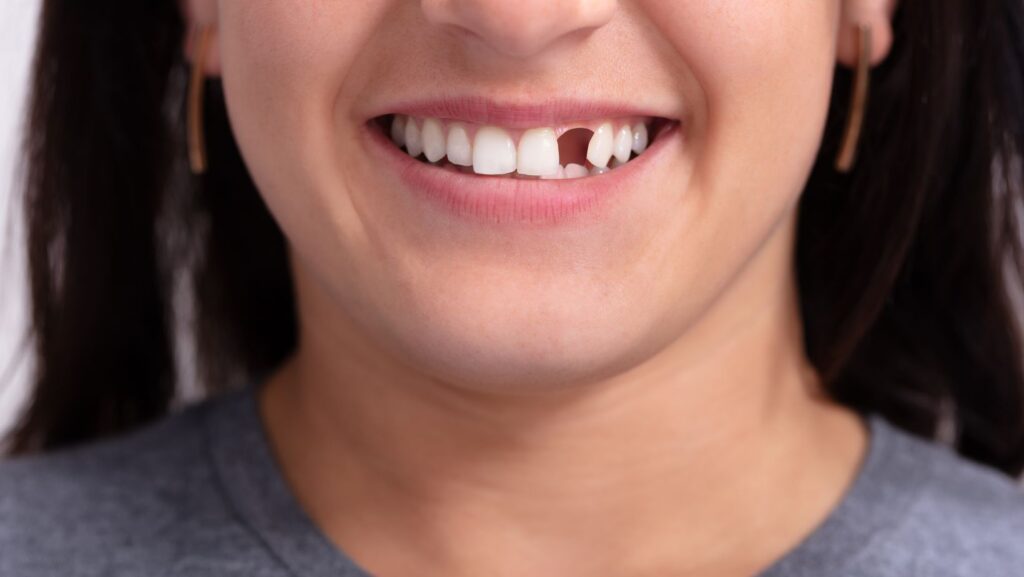
Missing teeth do more than affect your smile—they can change the shape of your face over time. When teeth are lost, the bone that supports your face can shrink, causing your cheeks to appear sunken and your lips to thin. This loss of support can lead to noticeable changes in facial structure, often making the face appear older or less defined. For patients looking to address tooth loss quickly while preserving facial support,Same day dental implants can help restore function and prevent further bone deterioration.
You might not realize that your teeth play a key role in supporting your skin and facial muscles. Without stimulation from chewing, the jawbone weakens, which can cause shifting in the jaw and a reduction in facial height. These structural changes can affect both appearance and comfort.
If you have missing teeth, the impact goes beyond visible gaps. Over time, untreated tooth loss can alter your facial profile. Understanding these effects can help you make informed decisions to protect your facial structure and long-term oral health.
How Missing Teeth Affect Facial Structure
Missing teeth do more than create gaps in your smile. They can cause changes in the bones and muscles that support your face. These changes affect how your face looks and moves, often leading to shifts in your jaw and changes around your lips and cheeks.
Bone Loss and Facial Sagging
When you lose a tooth, the bone that once held it starts to shrink. This happens because the bone needs stimulation from the tooth’s root to stay healthy. Without it, your jawbone gradually weakens and reduces in size.
This bone loss causes your face to sink inward and can lead to sunken cheeks or a shorter look to your lower face. Over time, this creates sagging skin and can make you look older. The longer you wait to replace missing teeth, the more bone loss you risk.
Changes in Jaw Alignment
Your teeth help keep your jaw in its proper place. When you lose one or more teeth, your bite may become uneven because remaining teeth shift to fill the empty space. This misalignment can cause your jaw to move out of its natural position.
An uneven bite might lead to problems like jaw pain, difficulty chewing, or even headaches. Your jaw joints (TMJ) can also get affected by this change, which may worsen your facial structure’s symmetry over time.
Alterations in Cheek and Lip Appearance
Missing teeth affect the muscles around your mouth and cheeks. When teeth are gone, these muscles can lose support and begin to sag. You might notice your lips become thinner or your cheeks look hollow.
This change not only affects your smile but also alters your overall facial shape. Wrinkles and lines near your mouth may develop earlier because the skin is less supported. Replacing missing teeth can help restore a fuller, more youthful look to your lips and cheeks.
| Key Effects | What Happens | Impact on Appearance |
| Bone loss | Jawbone shrinks | Sunken cheeks, sagging skin |
| Jaw misalignment | Bite shifts | Jaw pain, uneven face |
| Muscle support loss | Facial muscles sag | Thin lips, hollow cheeks |
Progression of Facial Changes Over Time
When you lose one or more teeth, changes to your face happen gradually. These changes start with subtle differences in cheek and lip support, then move to more visible effects on your jaw and overall facial shape. The longer missing teeth go untreated, the more pronounced these effects become, altering how your face looks.
Early-Stage Effects After Tooth Loss
Right after losing teeth, you might notice your face looks slightly different. Your cheeks can begin to appear less full, and your lips may lose some support, causing them to thin or curl inward. This happens because your teeth help maintain the fullness of your cheeks and lips by supporting the soft tissues.
You may also feel some changes in how your teeth meet when you bite. This can cause discomfort or make eating more difficult. While the changes aren’t always obvious at first, they can affect your confidence and how you speak.
Long-Term Consequences for Face Shape
Over time, missing teeth cause gradual bone loss in the jaw. The jawbone relies on stimulation from chewing to stay strong. Without teeth, this stimulation stops, and the bone shrinks. This bone loss can reduce the distance between your nose and chin, making your lower face appear shorter.
This shrinking jawbone leads to a sunken or hollow look in your cheeks. Your face may also develop wrinkles around the mouth and sagging skin. Areas around your nose and chin might look sharper or more prominent because of these changes.
Increasing Severity Without Treatment
If you don’t replace missing teeth, these facial changes will worsen. Bone loss continues, affecting your jaw’s shape and your bite alignment. Your remaining teeth can shift or tilt into the gaps, leading to uneven pressure and further wear.
Facial sagging becomes more noticeable, often making you look older than your age. This process can also affect your ability to chew and speak clearly. Dental implants or other tooth replacements can help slow or stop these changes by maintaining bone stimulation and supporting your facial tissues.
Restorative Options and Facial Aesthetics
Missing teeth affect more than your smile—they also impact your facial structure and jaw health. Choosing the right restoration can help maintain your face shape, prevent bone loss, and support proper bite alignment. Each restoration option offers different benefits for preserving your facial appearance.
Dental Implants to Preserve Structure
Dental implants are a strong and durable solution to replace missing teeth. They are surgically placed into your jawbone, acting like natural tooth roots. This stimulates the bone and helps prevent bone loss, which is a main cause of facial changes after tooth loss.
Because implants keep your jawbone healthy, they help maintain the natural contours of your face. Implants also support nearby teeth and prevent shifting that can alter your bite. They look and feel like real teeth, which helps preserve the natural shape of your smile and lower face.
You should consider implants especially if you want a long-term solution that supports your facial structure and improves chewing and speech.

Dentures and Face Shape Support
Dentures are removable replacements for missing teeth. They help restore your smile and fill the gaps, which supports the muscles of your cheeks and lips. This support can reduce the sunken look that often develops after tooth loss.
Properly fitted dentures help maintain your facial height and prevent sagging skin around your mouth. However, dentures do not stimulate the jawbone like implants, so some bone loss may still occur over time.
For many people, dentures are a good option because they improve appearance quickly and can be adjusted as needed. Just remember to keep them clean and well-fitted to avoid discomfort and further changes in your face.
Role of Bridges in Preventing Facial Changes
Bridges replace one or more missing teeth by anchoring artificial teeth to the adjacent natural ones. They restore the space left by lost teeth, preventing neighboring teeth from shifting inward.
By holding your teeth in place, bridges help maintain your bite and jaw alignment. This support reduces the risk of changes in your face shape caused by tooth movement or uneven pressure.
Unlike implants, bridges do not address bone loss underneath the missing tooth. Still, they are less invasive and quicker to place, making them a practical choice for maintaining facial aesthetics when implants are not an option.