
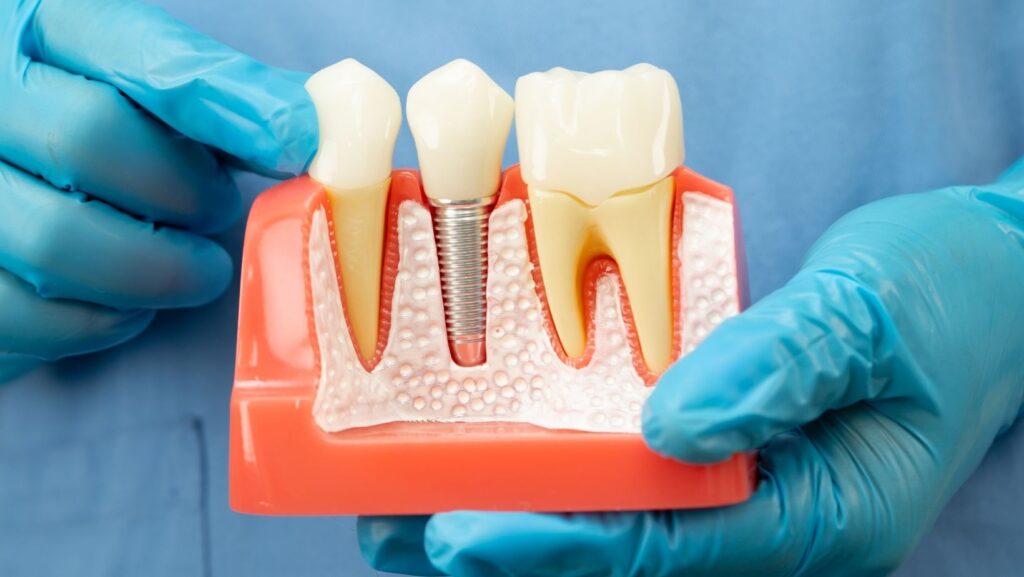
If you are considering dental implants, one of your main questions might be whether they are permanent or if you will need to replace them over time. Dental implants are designed to be a permanent solution because the implant post fuses with your jawbone, creating a strong foundation much like a natural tooth root. This means the implant post itself usually lasts a lifetime.
However, the part you see—the crown placed on top—may need replacing after several years. While the implant post remains stable, crowns can wear out or become damaged. Knowing this can help you set realistic expectations about the care and maintenance dental implants require to last as long as possible.
Are Dental Implants Permanent?
Dental implants by CU Dentists in Champaign, IL are designed to last a very long time, often a lifetime. However, their longevity depends on several factors, such as how well you care for them, your bone health, and the quality of the implant materials. Implants fuse with your jawbone, creating a strong and stable foundation, but parts like the crown may need replacement over time.
Understanding Implant Longevity
The core part of a dental implant is a titanium or zirconia post that is surgically placed into your jawbone. This post becomes part of your bone through a process called osseointegration, making the implant very stable and permanent in your mouth.
This implant post can last for many years, often for life. However, the visible part—the crown—may wear out or get damaged and need replacement every 10-15 years, depending on your habits and oral hygiene. With good care, your implant can continue supporting your crown without issues.
Factors Affecting Implant Durability
Several factors influence how long your dental implant lasts. Proper cleaning and avoiding tobacco use are very important. Poor oral hygiene can lead to gum disease, which is a common cause of implant failure.
Bone quality also plays a big role. Healthy jawbone holds the implant firmly, but if your bone weakens due to illness or injury, the implant may become unstable. Age itself does not limit implant success; bone health and regular dental check-ups matter more.
Clinical Success Rates
Dental implants have a high success rate, with most studies reporting over 95% success after 10 years. Failures are rare but can happen, mostly due to infection, poor bone support, or trauma.
Dentists monitor implants closely to catch any problems early. Regular visits and proper home care greatly reduce failure risks. Compared to options like dentures or bridges, implants generally last longer and offer better stability.
Dental Implant Replacement: When and Why
Dental implants are meant to last a long time, but sometimes they need to be replaced. You should know what causes implants to fail, how replacement is done, and how to spot early signs of problems.
Common Causes for Replacement
Implants may need replacing due to infection around the implant, which can damage the bone supporting it. This condition is called peri-implantitis. Poor oral hygiene, smoking, or untreated gum disease can increase your risk.
Another cause is implant loosening. Even though implants fuse with the jawbone, trauma or excessive pressure can loosen the implant or damage the connection between the implant and the crown.
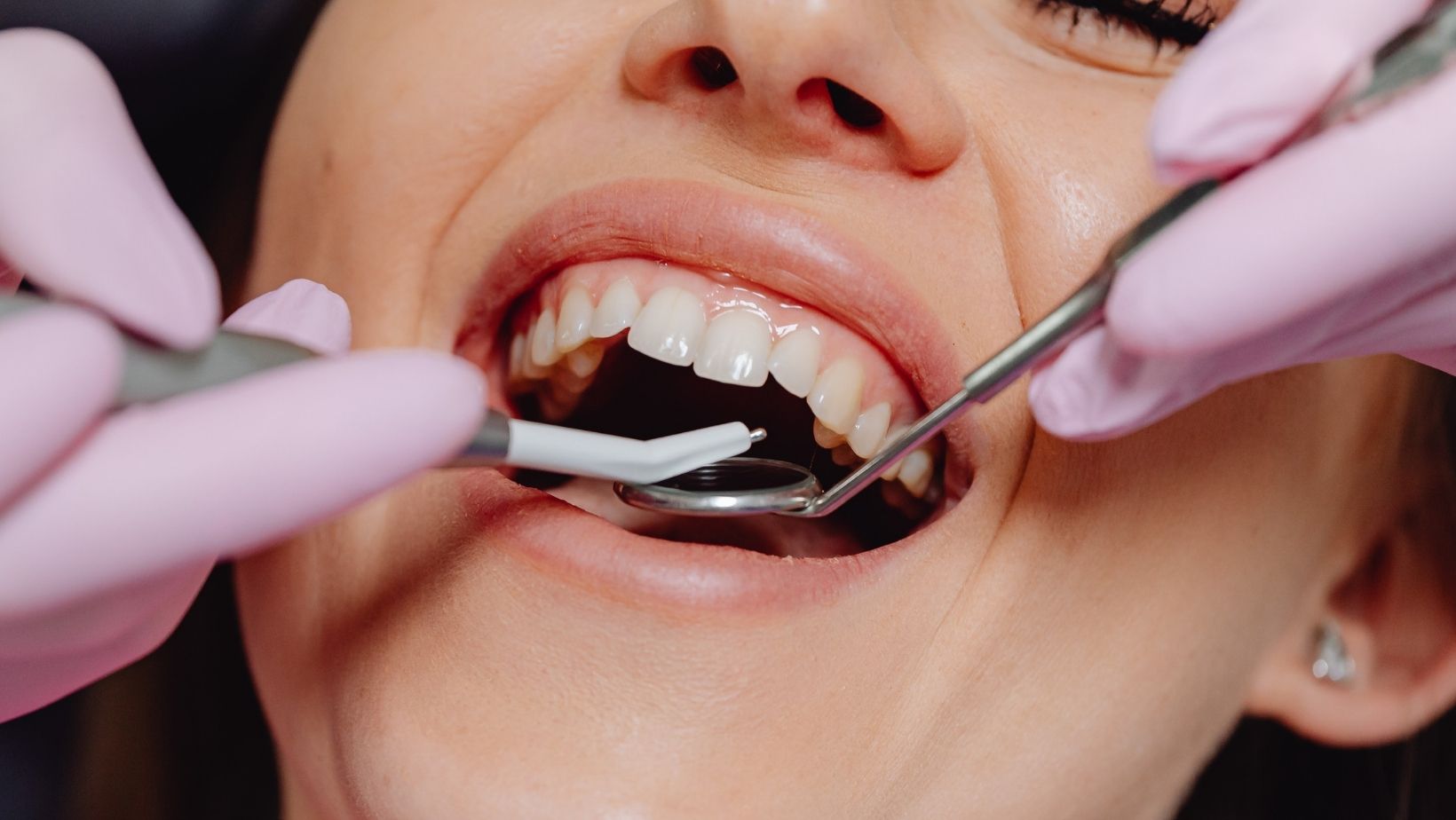
Sometimes, the implant’s crown or abutment wears out or breaks. These parts are replaceable without removing the implant itself.
Replacement Procedures
If an implant fails, your dentist will first remove it carefully. The area may need time to heal before placing a new implant. Sometimes, bone grafting is needed to rebuild damaged bone.
The replacement procedure follows similar steps to the original implant surgery. You’ll have the implant inserted, a healing period for osseointegration, then the abutment and crown attached.
In some cases, only the crown or abutment is replaced, which is quicker and less invasive than a full implant replacement.
Identifying Signs of Implant Failure
You should watch for these signs:
- Pain or discomfort around the implant that lasts or worsens
- Swelling, redness, or pus in the gums near the implant
- The implant feels loose or unstable
- Difficulty chewing or biting on the implant side
If you notice any of these, contact your dentist quickly. Early treatment can prevent more extensive damage and improve the chances of saving the implant.
Ensuring the Lifespan of Dental Implants
To keep your dental implants strong and lasting, you need to focus on good daily care, regular dental visits, and healthy lifestyle habits. Each of these plays a key role in protecting both the implant and the surrounding gum and bone.
Best Practices for Care
Taking care of your dental implants starts with daily cleaning. Use a soft-bristle toothbrush and non-abrasive toothpaste to avoid scratching the implant surface. Brush at least twice a day, making sure to clean around the implant where bacteria can build up.
Flossing is also important. Use implant-friendly floss or special interdental brushes to reach under the crown and clean between teeth. This helps prevent gum disease, which can harm the implant.
Avoid using hard or sticky foods that could put extra pressure on the implant or crown. Drinking plenty of water and maintaining good overall oral hygiene supports implant health.
Role of Dental Check-Ups
Regular dental visits are critical. Your dentist will check the implant’s stability and look for signs of gum inflammation or bone loss. Professional cleanings remove plaque and tartar that you might miss at home.
Your dentist can also identify any crown damage early on. While the implant post can last a lifetime, the crown may need to be replaced over time due to normal wear.
During appointments, the dentist may take X-rays to assess bone health around the implant. This helps prevent potential problems before they become serious.
Impact of Lifestyle Choices
Your lifestyle has a direct effect on the lifespan of your implants. Smoking, for example, increases the risk of implant failure by reducing blood flow and slowing healing.
Eating a balanced diet rich in vitamins and minerals supports bone and gum health. Avoiding excessive alcohol can also help preserve your oral tissues.
Stress on the implant from habits like teeth grinding or clenching can cause damage. If you grind your teeth, your dentist might recommend a night guard to protect the implant and natural teeth.
By making these choices, you support the strength and success of your dental implants over many years.