
If you have severe bone loss, you might worry that dental implants are out of reach. The good news is that even with significant bone loss, there are specialized implant options and techniques that can work for you. Traditional implants may need enough bone to hold them, but new methods can help bypass this issue.
You might hear about bone grafts, mini implants, or angled implants like All-on-4 that use the bone you still have. Some options focus on using different parts of your jawbone or adding bone before placing implants. Knowing these choices can help you find a solution that fits your needs and dental health.
Understanding Severe Bone Loss in Dentistry
Severe bone loss affects the ability to place dental implants effectively. It results from specific health issues and has clear impacts on your oral function. Diagnosing it accurately helps guide the best treatment options for your situation.
Causes and Risk Factors
Severe bone loss happens mainly due to long-term tooth loss, gum disease (periodontal disease), and trauma to the jaw. When a tooth is lost and not replaced quickly, the bone that held it starts to shrink because it no longer gets regular stimulation.
Other causes include infections around the teeth and chronic conditions like osteoporosis, which weakens bones throughout the body. Smoking and poor oral hygiene increase the risk, as they worsen gum disease and reduce the healing ability of bone tissue.
If you have lost several teeth or have untreated gum disease, your jawbone can lose significant volume, which makes implant placement more difficult.
Impact on Oral Health
When your jawbone shrinks, it changes the shape of your face and your bite. Losing bone support can make your remaining teeth loose or cause them to shift, leading to discomfort or difficulty chewing.
Severe bone loss can limit where implants can be placed. Without enough bone, implants may not hold secure or last long. This may mean you need additional procedures like bone grafts or special types of implants that fix into different bones.
Bone loss also affects your ability to wear dentures comfortably, as they rely on the bone for support. This can impact your speech and confidence when eating or talking.
Diagnostic Techniques
To check for bone loss, your dentist will typically use X-rays and 3D scans like cone beam computed tomography (CBCT). These tools give a detailed view of the bone’s height, width, and density.
Bone measurements help your dentist decide if you need extra treatment before implants. For example, they look for the thickness of the jawbone and the closeness to nerves or sinuses.
Regular dental exams and imaging are important if you have risk factors, as early detection of bone loss improves your options for implants or other restorations.
Traditional Dental Implant Challenges With Bone Loss
Severe bone loss in your jaw creates many obstacles for traditional dental implants. The lack of enough bone can affect implant stability, increase the chance of complications, and limit who is a good candidate for the standard procedures.
Limitations of Standard Implants
Traditional implants need a strong, thick jawbone to stay secure. When bone loss occurs, there may not be enough density or volume to hold the implant firmly.
This can mean your implant might fail or shift, causing pain or damage. In many cases, bone loss means you’d require extra procedures like bone grafts or sinus lifts to rebuild enough bone before implant placement.
These extra steps take more time and add to the cost. Sometimes, despite these measures, the bone may not fully support a traditional implant.
Complications and Risks
Trying to place a traditional implant where bone is weak raises your risk of problems. The implant might not fuse properly with the bone, leading to implant failure.
Other risks include infection, inflammation, and damage to nearby nerves or sinus cavities. These complications could require removal of the implant or more treatment.
If you have bone loss from gum disease or trauma, your surrounding tissue may also be less healthy. This lowers your chance for long-lasting implant success.
Suitability Assessments
To know if traditional implants will work, your dentist will check several factors besides bone loss. These include your age, oral hygiene habits, and overall health.
They’ll use imaging like X-rays or CT scans to measure your bone thickness and quality. If you have severe bone loss or other health problems, your dentist may recommend alternative implant types or treatments.
You should discuss your medical history and lifestyle honestly. This helps your dentist choose the safest and most effective implant option for your situation.
Advanced Dental Implant Options for Severe Bone Loss
When bone loss in your jaw is severe, standard implants might not work without extra help. Several specialized techniques and implant types exist to overcome these challenges, giving you options even if your bone density is low.
Zygomatic Implants
Zygomatic implants anchor into the cheekbone (zygoma) instead of the upper jawbone. This is helpful when your upper jaw has too little bone to support normal implants. Because the cheekbone is denser and less likely to shrink, these implants provide strong support without needing bone grafts.
They are longer than regular implants and require careful placement by an oral surgeon. Zygomatic implants can often allow for quicker treatment and faster recovery. If you have maxillary atrophy or have been told you can’t get implants due to bone loss, this option might be suitable.
All-on-4 and All-on-6 Solutions
The All-on-4 and All-on-6 techniques use fewer implants—four or six—to support a full arch of replacement teeth. They work by placing implants at specific angles to maximize contact with available bone. This approach often avoids the need for bone grafting.
All-on-4 is popular because it reduces surgery time and cost, making it attractive for people with moderate bone loss. All-on-6 adds two extra implants for increased stability, which can be better if some bone is still present. Both methods let you get a fixed set of teeth in a shorter timeline compared to traditional implants.
Bone Augmentation Techniques
Bone augmentation helps rebuild lost bone so you can have implants placed securely. Common methods include bone grafting, where bone or bone-like material is added to your jaw. This can come from your own body, a donor, or synthetic sources.
Another method is a sinus lift, which raises the sinus floor to create space for bone growth in the upper jaw. Healing from augmentation takes time—often several months—but it enables you to get implants where bone was once too thin or soft.
Bone augmentation is a good option if you want traditional implant placement but lack enough bone now.
Alternative Implant Placement Strategies
When bone loss is severe, placing implants in unusual spots or using different implant shapes helps overcome challenges. For example, tilted implants angle inside the jaw to gain better bone contact.
Mini dental implants are thinner and can work in limited bone but may not support heavy chewing forces alone.
In some cases, immediate implants are placed right after tooth extraction to reduce bone loss over time. Custom surgical guides ensure implants go precisely where bone is best.
These strategies can be tailored to your jaw structure and needs to improve implant success without extensive bone surgery.
Patient Considerations and Treatment Outcomes
Understanding your eligibility, what recovery involves, and the results you can expect helps you make informed decisions. Careful planning and realistic expectations are key to successful treatment with dental implants when bone loss is severe.
Eligibility and Candidacy Factors
Your overall health and bone condition are the main factors for implant eligibility. Severe bone loss may require bone grafts or alternative implant types like zygomatic implants to provide enough support.
You must have healthy gums and no active infections. Smoking and certain medical conditions, such as uncontrolled diabetes, can affect healing and lower success rates. Your dentist will assess jawbone density through imaging and decide if implant procedures are safe and likely to succeed.
Time and willingness to undergo additional procedures, like bone grafting or sinus lifts, also matter. These treatments add healing time but improve implant stability. If extensive surgery is not an option, specialized implants designed for limited bone may be suggested.
Recovery and Maintenance
Recovery varies based on the procedure. Bone grafts or complex implants may need several months to heal before placing final implants. During this time, you should avoid putting pressure on the treated area to support bone growth.
Once implants are placed, a healing period of 3 to 6 months allows bone to fuse with the implant. You will need to keep your mouth clean and avoid smoking to reduce infection risk.
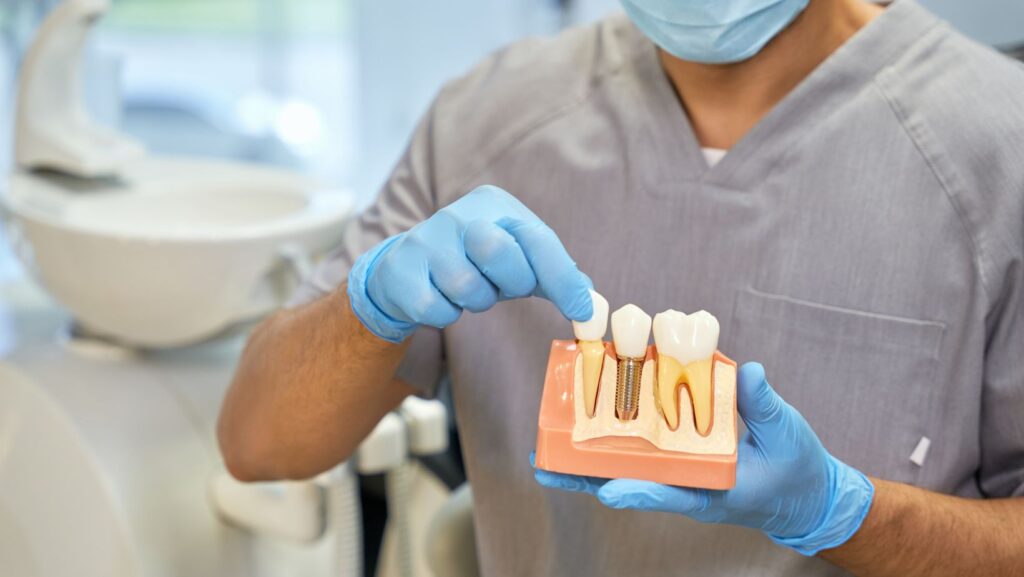
After healing, routine dental visits are essential. Regular checkups, professional cleanings, and good daily oral hygiene help maintain implant health. Your dentist may recommend special tools or techniques to clean around implants effectively.
Expected Results and Longevity
Dental implants for severe bone loss can last many years when properly planned and cared for. Success rates are often similar to those of implants placed in healthy bone due to advances in treatment.
You can expect improved chewing, better speech, and a natural appearance. However, implants rely on healthy bone support and gum tissue, so failing to maintain good hygiene can cause problems.
Long-term success depends on your commitment to follow your dentist’s care instructions. Factors such as diet, oral habits, and overall health influence how long your implants last. Regular follow-ups help catch issues early and extend implant life.