
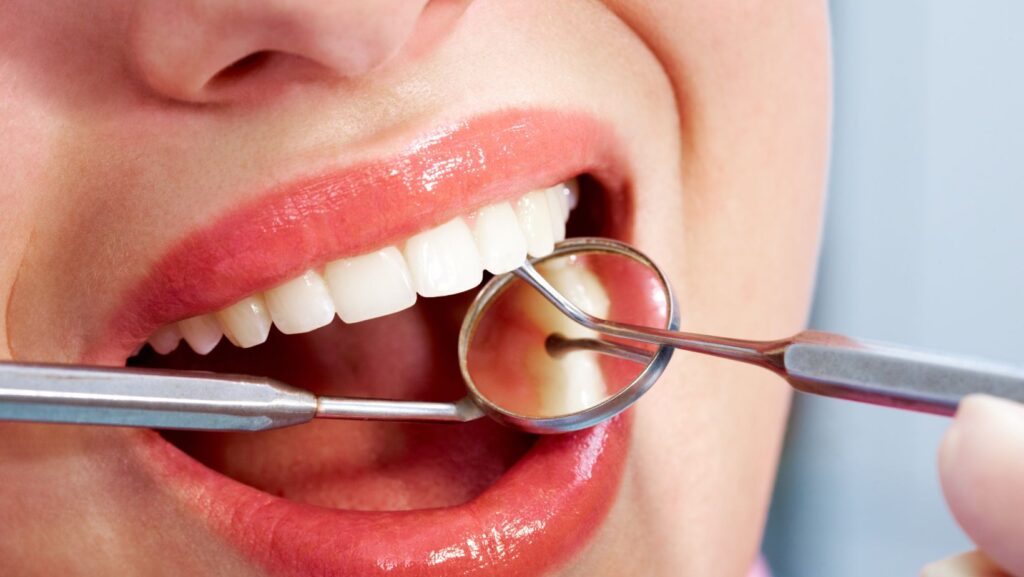
Taking care of your teeth every day can help you avoid painful and expensive dental treatments later on. By practicing simple habits like brushing, flossing, and visiting the dentist regularly, you can keep your mouth healthy and prevent many common problems. The most effective way to avoid major dental work is to build strong daily routines that protect your teeth and gums before any damage occurs.
You don’t need complicated steps or expensive tools to maintain good oral health. Small, consistent actions make a big difference in keeping your smile strong and preventing issues like cavities and gum disease. When you focus on prevention, you reduce the chance of needing complicated procedures that take time, money, and sometimes cause discomfort.
Understanding what habits protect your teeth can help you stay in control of your dental health. This article will guide you through the top preventive dental habits so you can keep your smile healthy and avoid major treatments that disrupt your life.
Core Preventive Dental Habits
Maintaining your oral health depends on specific daily actions that prevent damage and keep your teeth and gums strong. Focusing on proper techniques and routines helps you avoid cavities, gum disease, and costly dental work.
Consistent Brushing Techniques
Brushing your teeth twice a day is essential, but how you brush matters just as much. Use a soft-bristled toothbrush and hold it at a 45-degree angle to your gums. This position helps remove plaque where your teeth meet your gums.
Brush gently in small circles rather than hard back-and-forth strokes. Aim to clean all surfaces: outer, inner, and chewing surfaces of each tooth. It usually takes about two minutes to brush properly. Replace your toothbrush every three to four months or sooner if the bristles look worn.
Don’t forget to brush your tongue to remove bacteria that cause bad breath. Consistent, careful brushing reduces plaque buildup and lowers your risk of tooth decay and gum problems.
Daily Flossing Routines
Flossing once a day helps clean areas your toothbrush can’t reach. These are spaces between your teeth and under the gumline where plaque and food particles hide.
Use about 18 inches of floss and wind it around your fingers, leaving a few inches to work with. Slide the floss gently between your teeth, curving it into a C-shape against each tooth’s side. Move it up and down a few times to clean thoroughly without hurting your gums.
Regular flossing reduces the chances of cavities and gum disease by stopping plaque buildup before it hardens into tartar. It also helps keep your breath fresh.
Effective Use of Mouthwash
Mouthwash can be a helpful addition, but it’s not a replacement for brushing and flossing. Choose an antimicrobial or fluoride mouthwash based on your dental needs. Antimicrobial rinse fights bacteria, while fluoride strengthens tooth enamel.
Use mouthwash after brushing and flossing to help reduce bacteria and freshen breath. Swish the liquid vigorously for about 30 seconds before spitting it out. Avoid eating or drinking for 30 minutes afterward so the rinse can work effectively.
Check product labels to ensure it contains ingredients that fit your oral health goals and does not contain alcohol if you have sensitive gums. Using mouthwash correctly supports your other dental habits and helps prevent decay and gum issues.
Essential Dietary Practices for Oral Health
Your diet plays a big role in protecting your teeth and gums. What you eat affects how strong your teeth stay and how well your mouth can fight germs. Making smart food and drink choices helps prevent cavities and gum problems.
Limiting Sugary Foods and Drinks
Eating a lot of sugary foods and drinks puts your teeth at risk. Sugar feeds the bacteria in your mouth that cause cavities. These bacteria produce acids that wear down tooth enamel and create holes.
Try to avoid sweets, soda, candy, and sugary snacks as much as possible. If you do eat them, do it during meals instead of snacking throughout the day. This helps reduce constant acid attacks on your teeth.
Brushing your teeth with fluoride toothpaste soon after consuming sugar can help remove plaque and protect your enamel. Choosing low-sugar or no-sugar options is a better choice for your oral health.
Choosing Tooth-Friendly Snacks
Picking the right snacks supports strong teeth. Foods high in fiber, like vegetables and fruits, help clean your teeth naturally while you chew. Dairy products like cheese and yogurt provide calcium and phosphate, which help rebuild enamel.
Crunchy foods such as apples and carrots increase saliva flow, which washes away food particles and acid. Nuts and seeds also provide nutrients that support gum health.
Avoid sticky snacks like dried fruit or gummy candies because they can stay on your teeth longer and increase cavity risk.
Staying Hydrated for Saliva Production
Drinking enough water is key to keeping your mouth healthy. Water helps rinse away leftover food and sugar, reducing the chance of tooth decay and gum disease.
Fluoridated tap water strengthens teeth and prevents cavities. Saliva, your mouth’s natural cleaner, depends on hydration to work well. If you don’t drink enough fluids, your mouth can get dry, which makes it easier for bacteria to grow.

Aim to drink water throughout the day, especially after meals or sugary snacks, to keep saliva active and protect your oral health.
The Importance of Professional Dental Care
Taking care of your teeth is more than just brushing at home. Professional dental care helps catch problems early and removes buildup you can’t handle yourself. This care is essential for keeping your mouth healthy and avoiding bigger treatments later.
Regular Dental Check-Ups
Going to your dentist regularly lets you catch issues before they become serious. During these visits, your dentist will check for signs of cavities, gum disease, and other conditions you might not feel yet. Early detection means you can get simple, less expensive treatments instead of major procedures.
Your dentist also examines other parts of your mouth, like your tongue and throat, which can show signs of health problems. These check-ups usually happen every six months but might be more frequent if you have specific risks. Staying on schedule helps protect your smile and overall health.
Timely Professional Cleanings
Professional cleanings remove plaque and tartar that your toothbrush and floss can’t get rid of. Over time, this buildup can cause tooth decay and gum inflammation. Cleanings help keep your gums firm and prevent bleeding and infection.
Dental hygienists use special tools to reach tight spaces around your teeth and under the gumline. This thorough cleaning reduces the chance of cavities and gum disease developing. Getting cleanings every six months supports your daily oral care and keeps your mouth fresh and healthy.
Additional Lifestyle Factors Impacting Dental Health
Certain lifestyle habits can either protect your teeth or speed up damage. Taking care of these habits helps you avoid serious dental problems and costly treatments later. Here are two important factors to watch closely.
Avoiding Tobacco Products
Tobacco use increases your risk of gum disease, tooth decay, and oral cancer. It reduces blood flow to your gums, making it harder for them to heal and stay healthy. Smoking also causes buildup of plaque and tartar, which leads to bad breath and tooth loss.
If you use any tobacco products, quitting is the best step you can take for your mouth. Avoiding tobacco lowers your chance of gum infection and improves how your gums respond to treatment. Even smokeless tobacco increases the risk of mouth sores and oral cancers.
To protect your dental health, stay away from cigarettes, cigars, pipes, and chewing tobacco. If quitting feels tough, ask your dentist for resources and support.
Stress Management for Oral Well-Being
Stress affects more than your mood. It can lead to teeth grinding (bruxism), which wears down enamel and causes jaw pain. Stress often reduces your motivation for brushing and flossing, allowing plaque to build up faster.
High stress also weakens your immune system, making it harder for your gums to fight infections. This can lead to inflammation and gum disease if not managed well.
To reduce stress, try relaxation techniques like deep breathing, exercise, or meditation. Using a night guard can protect your teeth from grinding damage. Staying mindful of stress also helps you keep good oral habits even when life feels busy or challenging.