
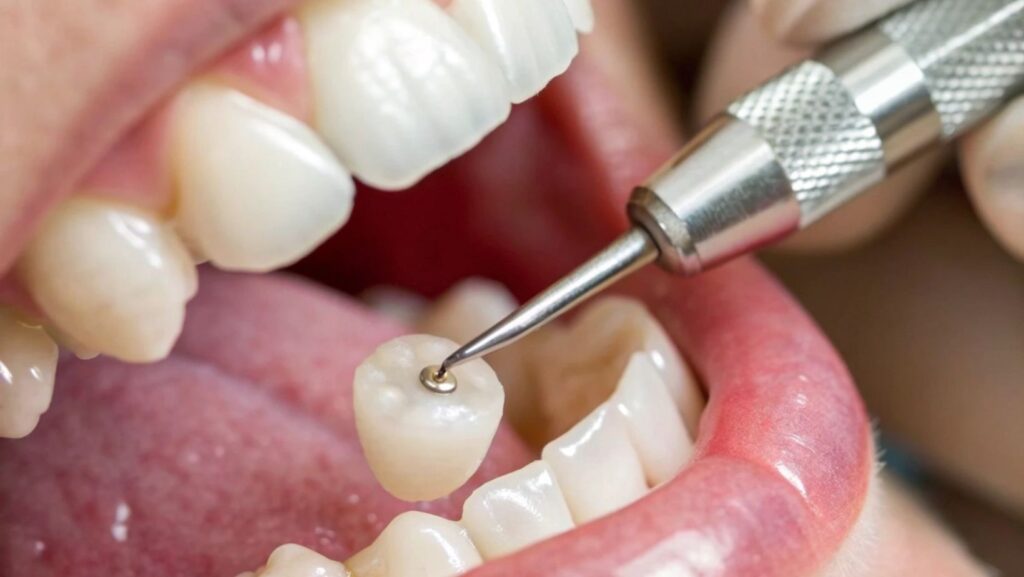
If you are considering dental implants, understanding the latest techniques can help you feel more confident about the process. Advanced dental implant methods use improved technology and materials to make the procedure more precise and comfortable. These new techniques improve how implants fit and heal, giving you better results and faster recovery times.
You will learn about tools like 3D imaging that guide precise placement and minimally invasive procedures that reduce discomfort. These advancements also focus on using materials that work well with your body to ensure the implant stays strong and looks natural. Knowing these details can help you make informed choices about your dental care.
Understanding Advanced Dental Implant Techniques
Advanced dental implant techniques use new tools, materials, and methods to improve how implants are placed and how well they work. These techniques help ensure better fit, faster healing, and results that look and feel natural. You will learn what sets these methods apart, the different types available, and who benefits most from them.
What Makes an Implant Technique “Advanced”
An implant technique is considered advanced when it uses the latest technology and methods to improve patient outcomes.
This includes the use of 3D imaging and digital planning to map implant placement with high accuracy. At practices offering Dental implants in Plymouth, WI, this level of planning helps ensure each implant is positioned precisely for long-term stability and a natural-looking result.
Advanced implant care also involves biocompatible materials designed to integrate more effectively with your body, reducing the risk of rejection and promoting faster healing. Another key feature is minimally invasive surgery, which means smaller incisions, less discomfort, and a quicker recovery. With the help of precision tools and guided techniques, dentists can place implants exactly where they belong, improving both function and appearance while supporting lasting bone integration.
Types of Advanced Dental Implants
There are several types of advanced implants designed to fit your specific needs:
- Zirconia implants: Made from a strong, white material that looks more like natural teeth.
- Mini implants: Smaller in size; good for people with less bone density or limited space.
- All-on-4 implants: Use just four implants to support a full arch of teeth, making the procedure faster and less invasive.
- Custom-shaped implants: Made to fit your jaw shape perfectly through 3D modeling.
Each type aims to offer better comfort, durability, and a natural look while simplifying the procedure.
Candidates for Advanced Procedures
You might be a good candidate for advanced implant techniques if you have specific needs or challenges. For example, if you have lost a lot of bone in your jaw, advanced methods can still help by grafting bone or using special implant types.
People with several missing teeth may benefit from solutions like All-on-4, which can replace many teeth with fewer implants. If you want an implant that looks very natural or has a faster healing time, advanced options may be suitable.
A detailed assessment of your mouth and jaw will help determine the best approach for your situation. Your dentist will consider your overall health, bone quality, and cosmetic goals before recommending advanced techniques.
Surgical Methods Simplified
You will find dental implant surgery involves different methods tailored to your needs. These methods focus on precision, support for weak bone areas, and restoring multiple teeth efficiently.
Guided Implant Surgery
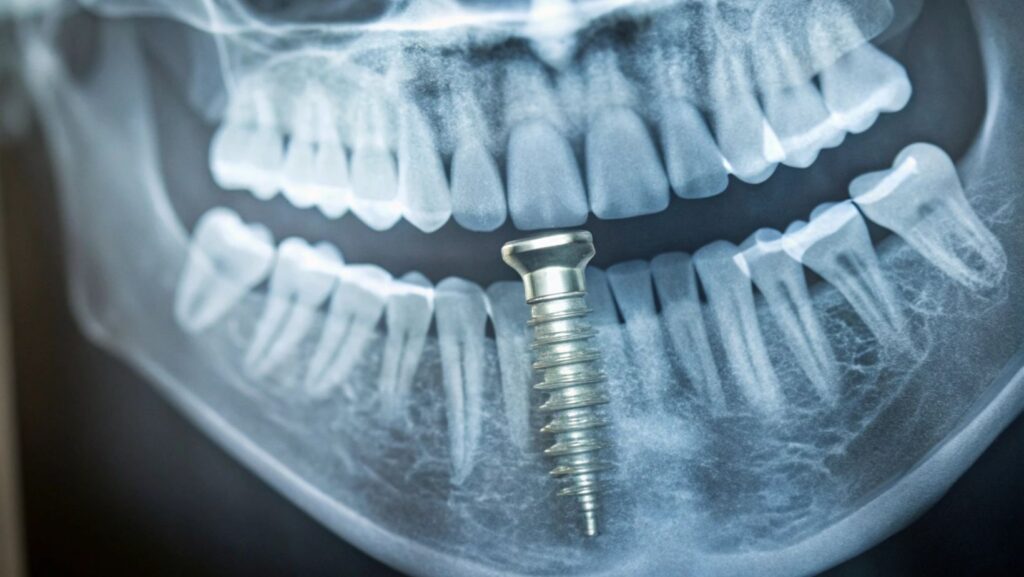
Guided implant surgery uses 3D imaging and computer software to create a detailed plan for your implant placement. This method helps your surgeon place implants with high accuracy. You get less pain and fewer complications because the surgery is more precise.
A surgical guide made from your scan fits over your mouth during the procedure. It directs the implant drill in the exact position, depth, and angle. This reduces risks to nerves and sinuses, protecting your oral health.
Guided surgery is especially helpful if you have complex cases or limited bone. It can speed up healing and improve implant success rates.
All-on-4 and Full-Arch Solutions
All-on-4 is a method where four implants support a full set of teeth on either your upper or lower jaw. This technique avoids the need for bone grafts in many cases because implants are placed at angles to use available bone.
Full-arch solutions let you replace all missing teeth at once. You get a stable and strong foundation, making chewing and speaking easier.
This method is faster and less invasive than placing individual implants for each tooth. Your new teeth can often be placed the same day as the surgery, reducing the time you spend without a full smile.
Zygomatic and Pterygoid Implants
Zygomatic and pterygoid implants are used when you have very little bone in your upper jaw. These implants are longer than traditional ones and anchor into stronger bones near your cheek or skull.
Zygomatic implants attach to the cheekbone (zygomatic bone), while pterygoid implants go into a deep bone behind your upper jaw.
These techniques avoid the need for extensive bone grafting. They provide a secure hold for your dental prosthetics, making them suitable for patients with severe bone loss.
Surgery can be more complex, so it’s important your surgeon has experience with these implants.
Sinus Lift and Bone Augmentation
If your upper jaw bone is too thin, a sinus lift procedure may be needed. This raises the sinus floor to make room for new bone, which supports implants better. It uses a small incision to gently lift tissue and place bone graft material.
Bone augmentation adds bone where yours has been lost. It can come from your own body or synthetic materials.
Both procedures improve the strength and volume of your jawbone. With a stable base, your implants are more likely to last longer.
Healing time may be longer because your body needs to grow new bone before implant placement. But these steps make implants possible when natural bone is not enough.
Recovery, Safety, and Long-Term Results
Your recovery after dental implant surgery involves careful steps to manage healing and avoid complications. Safety during the process depends on following your dentist’s instructions and understanding the risks. How well you care for your implants and follow maintenance routines plays a big role in how long they last.
Managing Post-Procedure Healing
After your implant surgery, you can expect some mild discomfort and swelling, which usually lasts a few days. Your dentist will likely recommend pain relievers and antibiotics to reduce pain and prevent infection. It’s important to rest adequately and avoid strenuous activities during this period.
You should keep your mouth clean but avoid brushing the surgical site for the first few days. Instead, rinse gently with salt water or a dentist-recommended mouthwash. Also, stay hydrated and avoid smoking, as it can slow down healing.
Healing times can vary but generally take several weeks to a few months to have your implant fully integrate with the jawbone. Following all aftercare instructions helps ensure a smoother recovery.
Minimizing Risks and Complications
While dental implants are generally safe, risks like infection, implant failure, and nerve damage exist. These risks are reduced when your dentist uses advanced techniques and proper surgical protocols.
To minimize problems, follow all post-surgery guidelines strictly. Avoid smoking and heavy drinking, keep your mouth clean, and attend all follow-up appointments for monitoring. If you notice unusual pain, swelling, or bleeding, contact your dentist immediately.
Modern technology also helps reduce risks. For example, 3D imaging and guided surgery improve precision during implant placement, lowering the chance of damage to nearby tissues.
Longevity of Advanced Dental Implants
Advanced dental implants are designed to last many years, often 15 to 25 years or more with proper care. Their success depends on good oral hygiene, regular dental checkups, and avoiding habits that damage teeth or gums.
Your dentist may suggest professional cleanings and using special tools to keep implants healthy. Also, maintaining a balanced diet supports bone health around the implant site.
Wear and tear can affect implants over time. However, advancements in materials and techniques improve durability. If problems occur, early treatment often prevents implant loss.
| Key Factors for Long-Term Implant Success |
| Consistent oral hygiene |
| Routine professional dental visits |
| Avoiding smoking and excessive alcohol |
| Following your dentist’s recommendations |